 Happy Agent Monday, everyone. I hope you are all keeping healthy and safe. And, hopefully, you writers out there are creating lots of wonderful material to brighten the world. I’m so happy to introduce you to one of our newest agents at The Jennifer De Chiara Literary Agency: Tara Gilbert. Let’s get to know her with a Q&A right now!
Thanks so much for talking with us today, Tara! How did you get into agenting?
TG: I was fortunate enough to find a wonderful writing group on Twitter that had several interns in the industry. When Entangled Publishing was looking for more interns, my friend Andrea Walker (now an agent at Olswanger Literary) suggested I apply! That’s when I received my first internship in publishing. The following summer, I received my first agency internship with Corvisiero Literary Agency and felling love with agenting.
Can you share some details about yourself, and how these have shaped who you are as an agent and as someone working with authors?
TG: I worked as a Staffing Manager for over a decade before I decided to make a career change. A lot of the skills working as a headhunter are very similar to those of a Literary Agent. I have great intuition, I can negotiate with the best of them, and I’m very outgoing despite being an introvert. Before that, I held many roles in business administration like Buyer, Planning Assistant, Assistant Accountant, Payroll Specialist, and many more. I like to say I’m a jack of all trades, which gives me a strong sense of business and professionalism that agents need.
What types of projects are you representing? Anything you are especially hoping to find in your inbox?
TG: Adult, YA, and MG in most genres. I have the best clients, and I’m so excited for their books to be out in the world. However, they all like dark and tragic stories, so I’d love to sign an author who writes romance or happy books. Someone hilarious, but can make me cry (like TJ Klune’s books do). I’d also love to see more works from authors in underrepresented communities.
Can you give us an example of one of your favorite books in each category that you represent, and why it’s your favorite?
TG: It’s soooo hard to pick one.
Adult – VICIOUS by V.E. Schwab, I love a villain story, but what I love even more is the complicated relationship between Eli and Victor. I love how it’s a story about “superheros/villains,” but it doesn’t feel like a typical sci-fi, and it focuses more on the relationship aspects.
YA – THE RAVEN BOYS by Maggie Stiefvater, I love how her fantasies feel real in the sense that it could happen in real life. She has a literary style to her voice as well, which I love in commercial fiction. Her worldbuilding is smooth and flawless. The friendship of the group is also one of my favorites in fiction.
MG – Anything by Rick Riordan. I think his Percy Jackson series was the first time I ever read a MG book with a gay character in it. I love how diverse his books are and how thoughtful he is with the representation. The voice is perfect for MG and always hilarious. Also, I’m a fan of any mythology.
To help folks understand your point of view, what are some of your favorite TV shows and Movies?
TG: I tend to watch TV shows more than movies, but I will do my best!
TV – Schitts Creek, Gilmore Girls, The Dragon Prince, Killing Eve, Haunting of Hill House, Anne with an E, and so many more.
Movies – Howls Moving Castle ( I love the book too), Stardust (I haven’t read the book, I need to), Booksmart, Dead Poets Society, Little Women (most versions), Anne of Green Gables (1985), 10 Things I Hate About You, and so many more.
Note: I love sci-fi and high fantasy in film, but rarely as books, so I didn’t include a lot of my favorites. 🙂
What’s in your reading pile?
TG: About 500 books (I love buying ebooks). Top of my list is CINDERELLA IS DEAD, FELIX EVER AFTER, THIS IS HOW YOU LOSE A TIME WARE, SILVER IN THE WOOD, MEXICAN GOTHIC, HOUSE OF THE CERULEAN SEA, and CEMETERY BOYS.
I’m currently reading THE NEWSPAPER CLUB and AND I DRAKEN.
What makes a successful query to you?
TG: Short and sweet. I love queries that open with a strong hook/logline. If you can summarize your query into one to two paragraphs, that tells me you have a high concept pitch. Although, sometimes, that can mean a very generic query/plot, so be sure to make it precise and include unique elements.
What are some common query mistakes that will result in an immediate rejection?
TG: I wouldn’t call them mistakes. The most common reason I pass is because I wasn’t connecting with the premise/concept of the book. I also pass because I wasn’t connecting with the writing style (not because the writing was bad, but just because it wasn’t pulling me in).
I will pass if the writing needs more work, but I will usually note that in my pass email. Sometimes the worldbuilding isn’t there, or the author is telling vs. showing the character’s actions and emotions, or the author infodumps and uses too many expository details.
Are you a very editorial agent? What does that mean to you?
TG: I would say I am, but not so much that I become a copy editor. I focus more on plot, character/relationship arcs, and refining voice.
What is your idea of an ideal client?
TG: I love my clients. Each one of them is collaborative and easy to work with, so I would say that’s my ideal client. They each take feedback very well, especially since I am a very blunt agent and don’t always sugar coat everything.
Where can folks go to follow you online?
TG: Facebook: @taragilbertlitagent
Twitter: @literary_tara
Instagram: @literary.tara
Your link for submission guidelines?
https://www.jdlit.com/tara-gilbert
Anything else you’d like people to know about you or what you are looking for?
TG: I love character-driven stories. I love all kinds of voices and writing styles, but I love it when they are especially unique.
Thanks so much for sharing more about yourself here, Tara! Wishing you lots of great submissions from lots of great writers. 🙂
*Marie is an author of YA novels and of picture books, and she’s a Literary Agent at The Jennifer De Chiara Literary Agency in New York City. To keep up with all her posts, subscribe to her site.


 Happy Agent Monday, everyone! Is it Monday? Time has truly been a fuzzy thing these days. I hope everyone is keeping well and cool. Well, here’s some happy news:

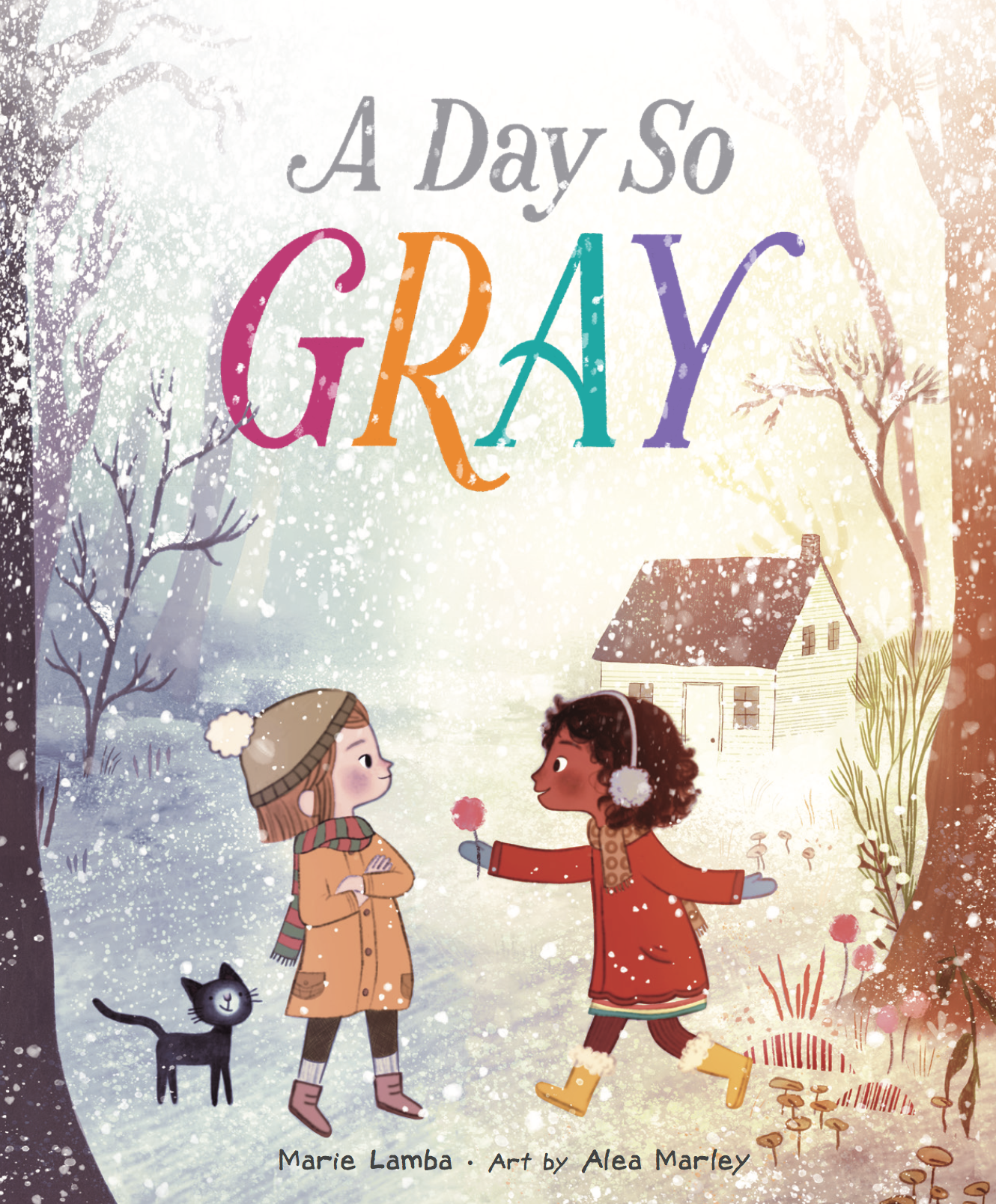 Ideas do indeed flutter away unless they are caught and looked at. There’s something there. Some piece of you that is honest and true. Collect these thoughts and review them from time to time to see where the inspiration will take you.

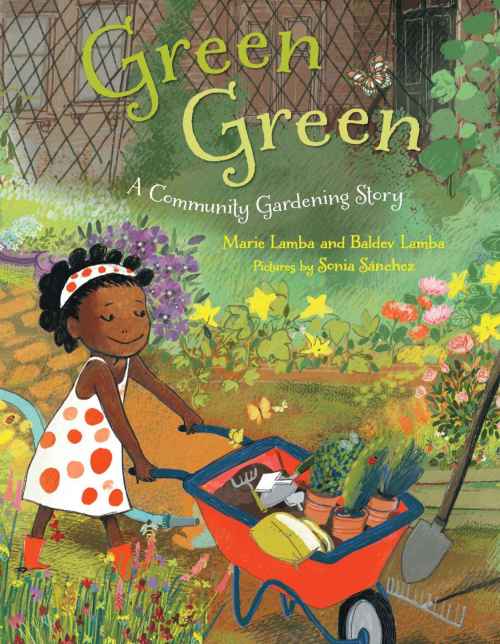 And for more ways to be GREEN GREEN, you can check out my picture book GREEN GREEN: A COMMUNITY GARDENING STORY for inspiration, which is available online through stores,


 Hi everyone! I’m so excited to announce that, in addition to representing fiction and memoir, I’m now also representing non-fiction projects. I’m actively hunting for non-fiction works, so hit me up with your query if you think our interests align.
 Overall, I’m especially looking for non-fiction that is inspiring and hopeful. I have a special interest in social justice, in titles that elevate and celebrate women and diverse people, and in books that aim to improve our society and help our environment.
 Marie Lamba, author